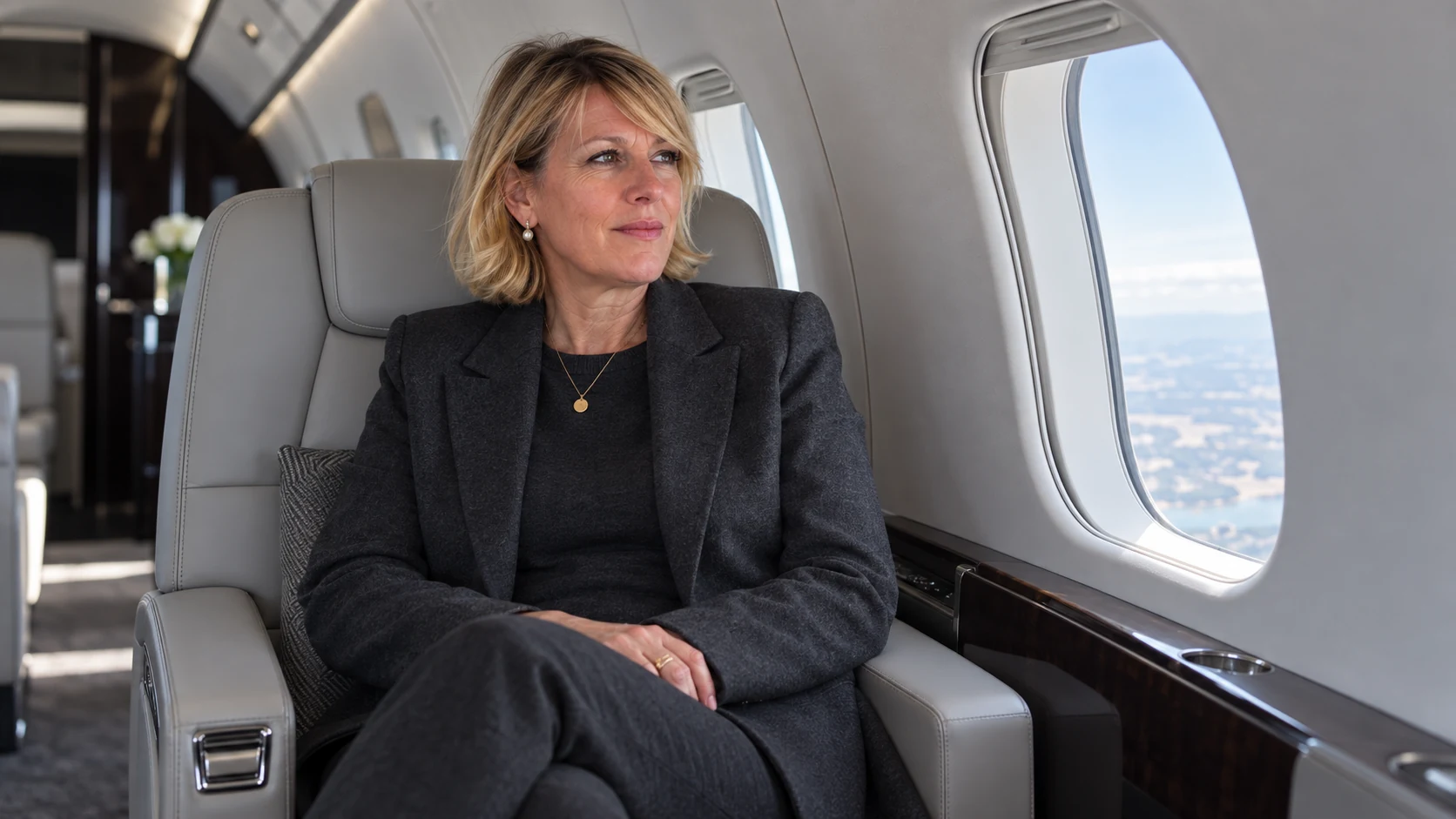
It didn't begin
with technology.
The Founder Story — Marija Hrovat, Founder of Trilevion.
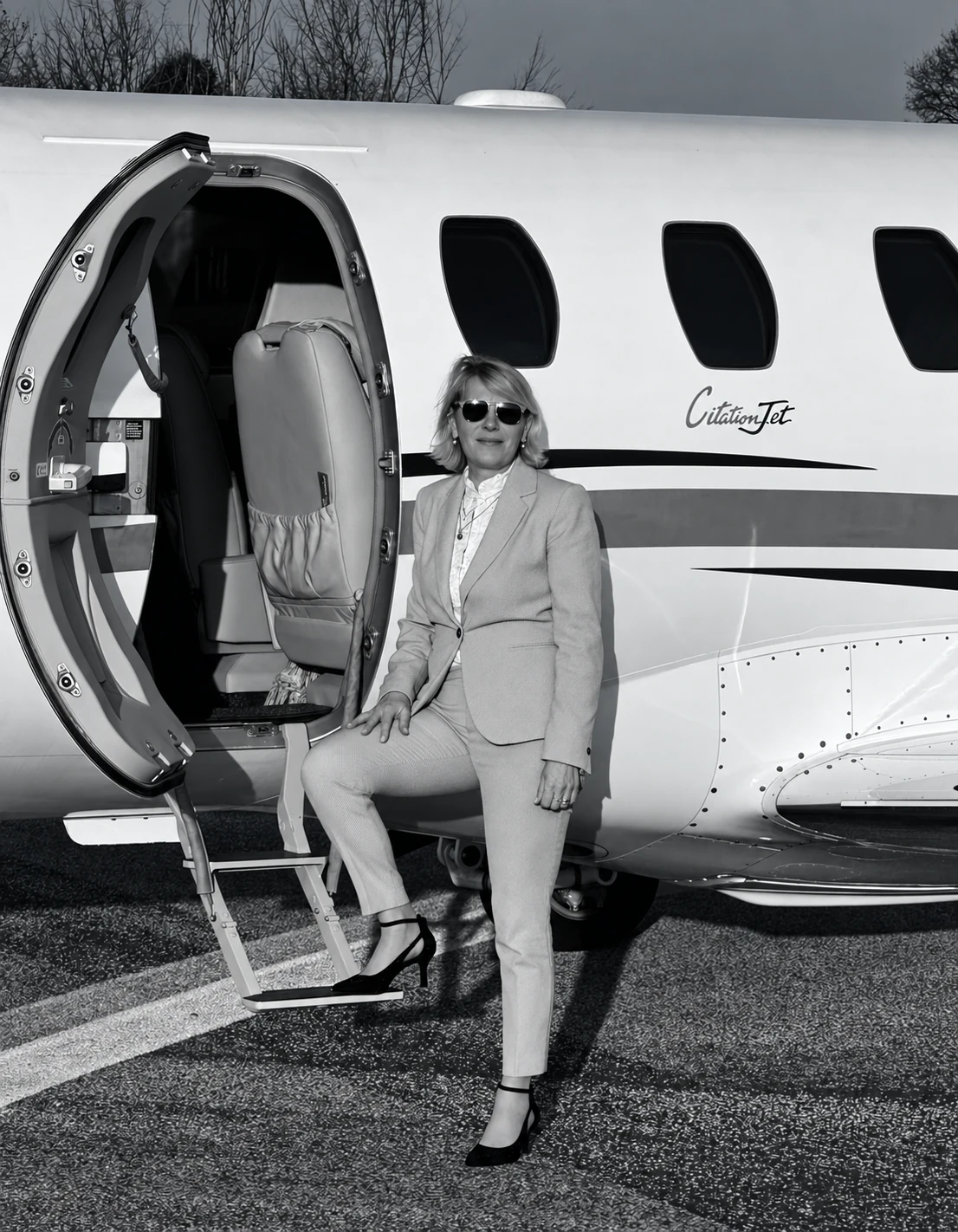
After years of working with people, I began to notice a pattern I hadn't seen before.
For more than fifteen years, I worked one-to-one with people who wanted to fly, travel, explore, speak in public, reach the summit, or simply move through life more freely.
Every story was different. Every fear was different. Yet the pattern was remarkably similar.
Fear was rarely about a single moment. For one person, it began before arriving at the airport. For another, during take-off. Some avoided the window seat. Others struggled when flying over water, or seeing only clouds below.
The fear was different. The pattern was not.
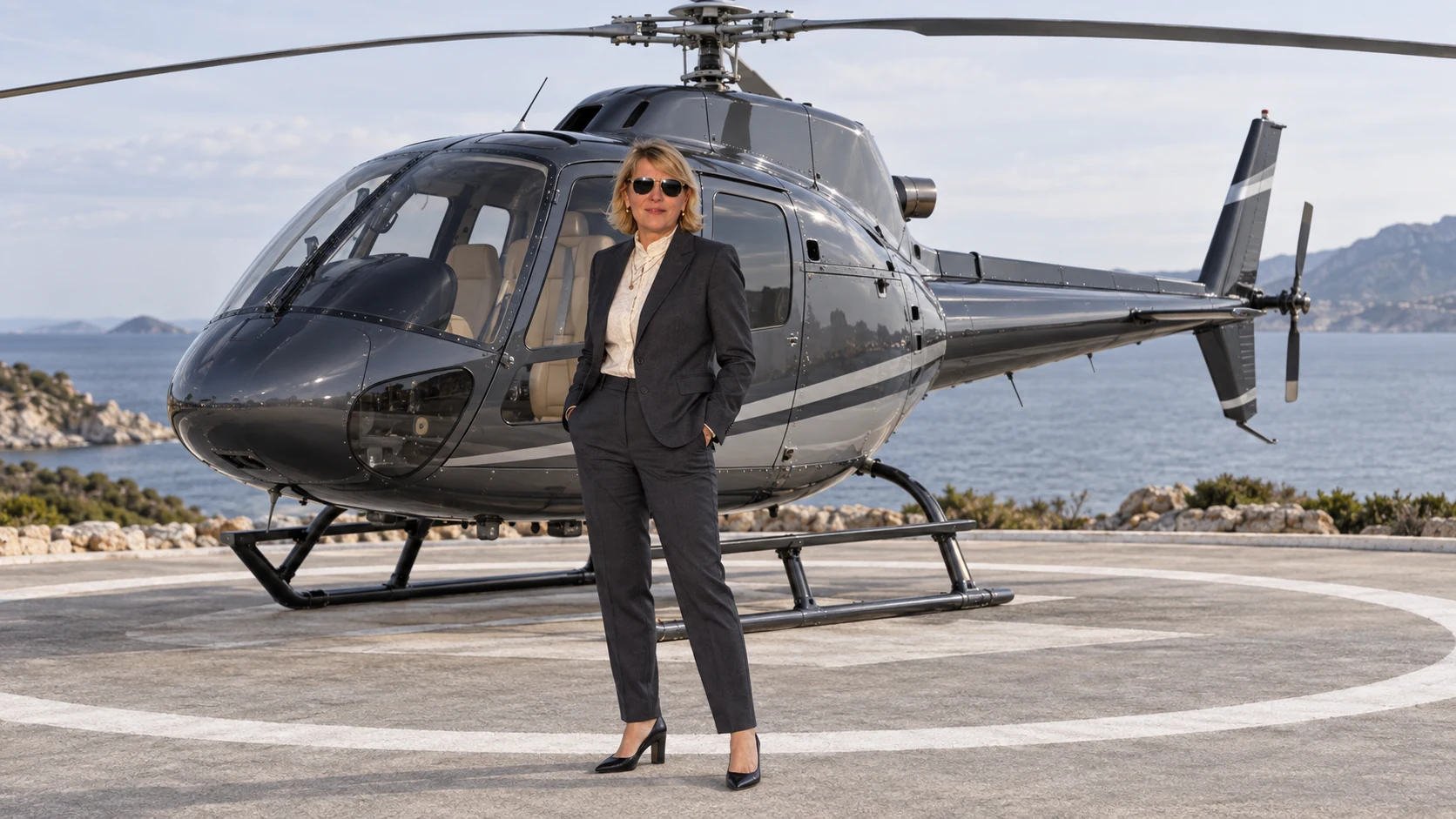
I stopped thinking about fear as one event. I began to see it as a sequence of experiences, responses and quiet decisions that gradually became avoidance. That became the foundation of my work.
Every person first moved through the entire journey. Only then did I adapt the process, focusing on the moments where their nervous system responded most strongly.
I never believed one method was the answer for everyone. If guided visualisation helped, I used it. If preparation helped, I built on it. If another tool could bring someone one step closer to the life they wanted to live, I wanted to understand why it worked — and how it could work even better.
Over time, I realised that my work had never been about hypnosis alone. It had always been about helping people return to experiences that mattered to them.
Visualisation helped. Preparation helped. Understanding helped. But I kept noticing the same thing: the closer an experience felt to reality, the more naturally people responded to it.
The methodology came first. Virtual reality came later.
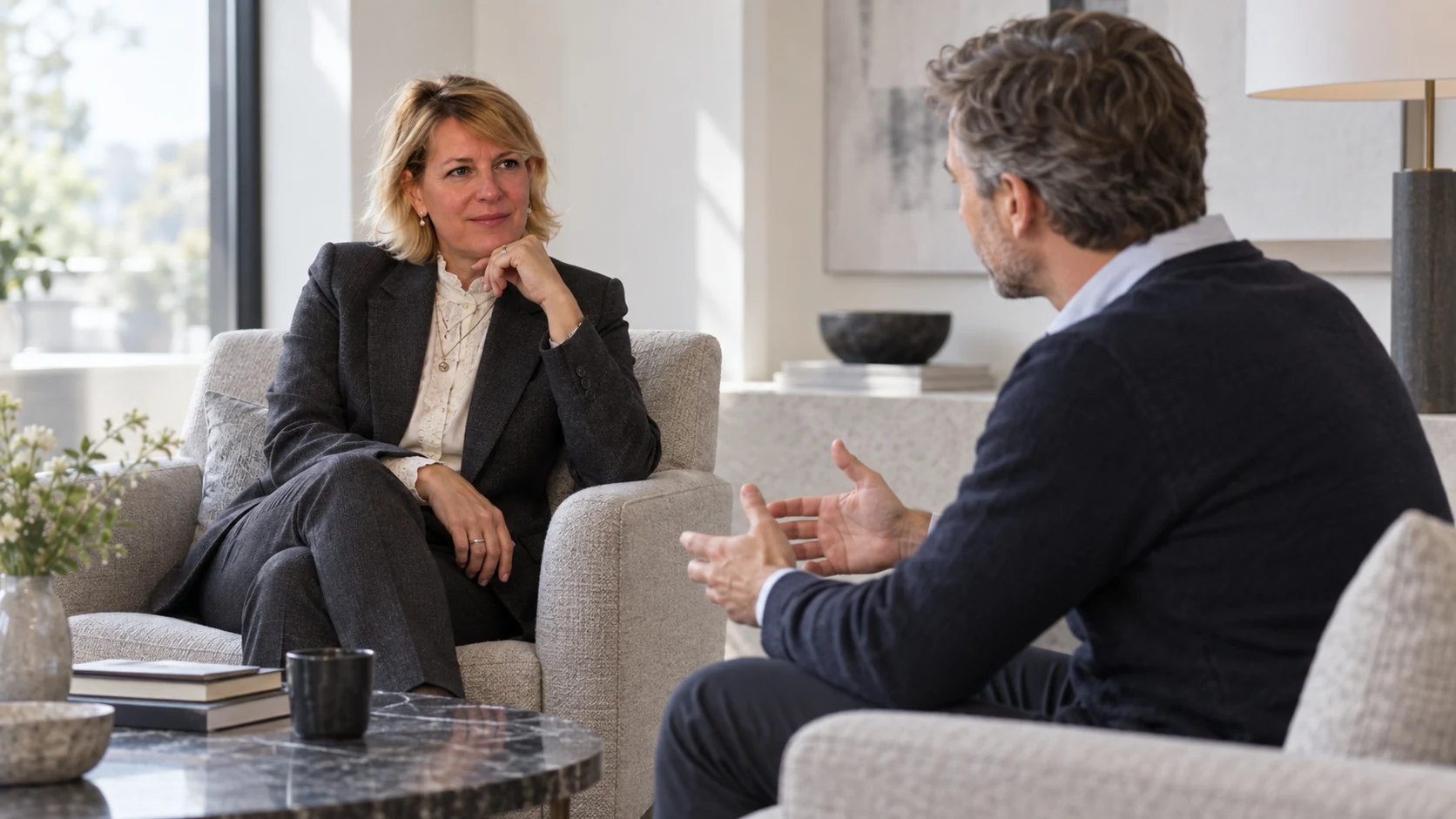
When VR became accessible, I didn't see a new technology. I saw another possibility. For the first time, people could experience situations that felt remarkably close to real life while remaining in a safe and controlled environment.
VR didn't replace the methodology. It allowed it to become more immersive. It answered a question I had been asking for years: how can we bring people closer to the experiences they want to reclaim?
That question changed everything. I began combining guided preparation, immersive environments and everything I had learned through years of practice.
Then another thought emerged. What if this didn't have to exist only inside a single room? What if the guidance could travel with the person? What if people could continue the process wherever they were, progressing at their own pace while still following a carefully designed methodology?
That idea became Trilevion.
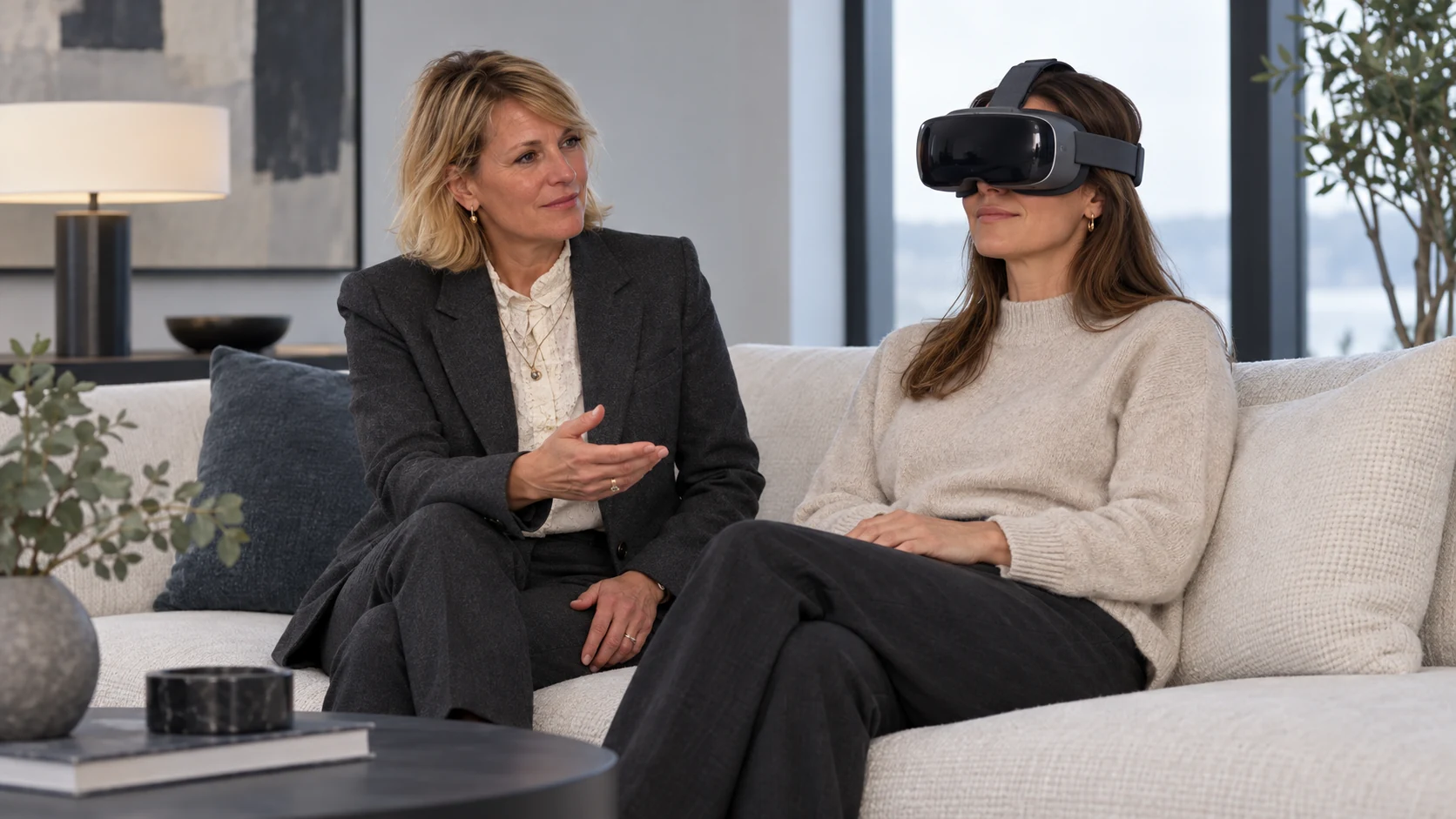
Today, Trilevion combines real-world environments, immersive technology and an evolving methodology designed to help people reconnect with experiences they once began to avoid.
The technology will continue to evolve. The methodology will continue to evolve. Because it should. The mission will not.
I will continue exploring new possibilities — not because they are new, but because they may offer a better way to help someone move forward.
Never fall in love with the tool. Fall in love with the outcome.
Because the goal was never the technology. It was never even the environment itself. It was always the person on the other side of it.